
 +880 1792-669888
  osteopathchiropracticrp@gmail.com
 HOUSE NO 26 ROAD, 04 Shyamoli Ln, Rangpur 5400
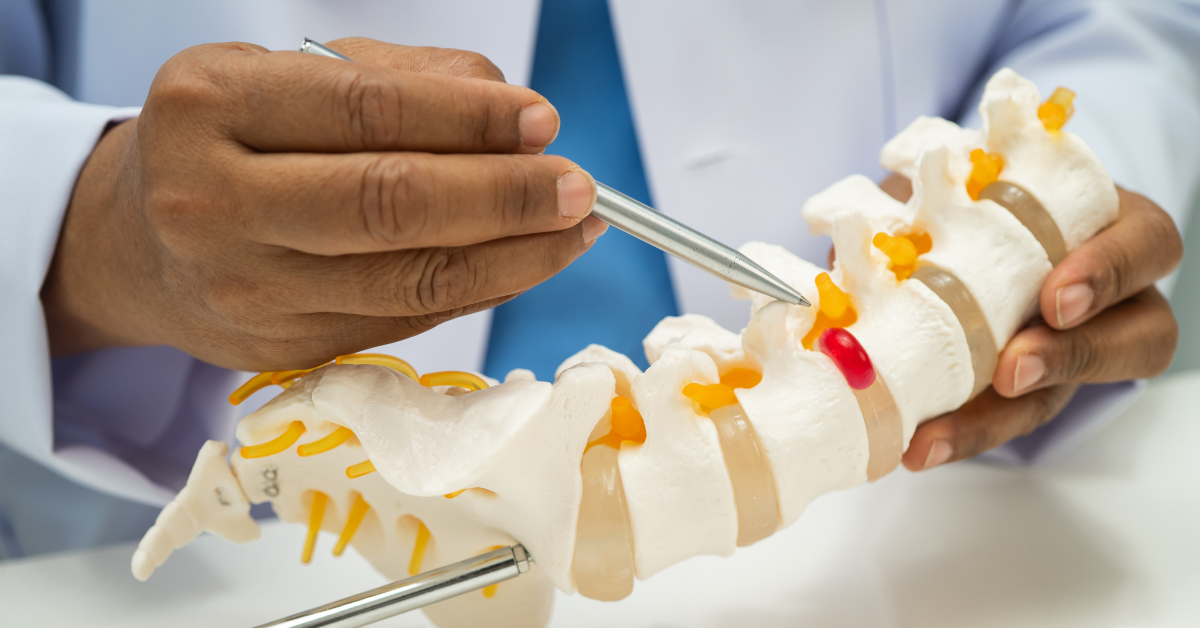
PLID (Prolapse Lumbar Intervertebral Disc) occurs when a disc in the lower back bulges or ruptures, often pressing on nearby spinal nerves and causing lower back pain, sciatica, or leg numbness. At Osteopath Center Rangpur, Majadul Islam — Chiropractor & Osteopath with 7+ years of experience — provides non-surgical, hands-on treatment aimed at relieving nerve pressure, reducing pain, and restoring mobility. Most PLID cases improve significantly without needing surgery.
What Is PLID?
PLID, or Prolapse Lumbar Intervertebral Disc, refers to a condition where one of the discs in the lower back (lumbar spine) bulges or ruptures beyond its normal boundary. This occurs when the tough outer layer of the disc weakens or tears, allowing the soft inner material to press outward — potentially compressing nearby spinal nerves or the spinal canal.
PLID is a leading cause of lower back pain with nerve involvement and is often associated with sciatica, since the affected nerves frequently run down into the hip and leg. It is also referred to as lumbar disc herniation or a slipped disc in the lower back.
Common Causes and Risk Factors:
- Age-related disc degeneration
- Improper lifting technique, especially lifting heavy objects with a bent back
- Repetitive strain from physical labor or prolonged sitting
- Sudden trauma or twisting injury
- Obesity, which increases mechanical load on lumbar discs
- Sedentary lifestyle combined with weak core muscles
- Genetic predisposition to disc problems
- Smoking, linked to accelerated disc degeneration
Common Symptoms:
- Lower back pain, often sudden or gradually worsening
- Pain radiating into the hip, buttock, or leg (sciatica pattern)
- Numbness or tingling in the leg or foot
- Muscle weakness in the leg in more significant cases
- Pain that worsens with sitting, bending, or coughing/sneezing
- Reduced flexibility and difficulty with normal movement
When to See a Doctor Immediately ?
While many PLID cases respond well to conservative, non-surgical care, seek urgent medical attention if you experience:
- Loss of bladder or bowel control (a medical emergency known as cauda equina syndrome)
- Progressive leg weakness or difficulty walking
- Numbness in the groin or inner thigh area (saddle anesthesia)
- Severe, unrelenting pain unresponsive to rest or position change
- Rapid worsening of neurological symptoms
These symptoms require immediate medical evaluation, as they may indicate significant nerve compression requiring urgent intervention.
How Majadul Islam Diagnoses PLID ?
At Osteopath Center Rangpur, suspected PLID is assessed thoroughly, including:
- Detailed patient history (pain pattern, radiating symptoms, onset, prior injury)
- Lumbar spine and postural examination
- Neurological testing (reflexes, strength, sensation) to assess nerve involvement
- Special orthopedic tests (e.g., straight leg raise) to identify nerve root irritation
- Referral for MRI or specialist consultation when red-flag signs or significant neurological involvement are present
This ensures treatment is both safe and appropriately matched to the severity of the disc prolapse.
Our Treatment Approach:
Majadul Islam uses a conservative, evidence-informed approach for PLID, which may include:
- Gentle spinal mobilization — improving lumbar joint movement without aggravating the disc
- Traction-based techniques — reducing pressure on the affected disc and nerve root
- Soft tissue therapy — releasing compensatory muscle tightness in the back and legs
- Nerve mobilization techniques — addressing referred pain, numbness, and sciatica-type symptoms
- Core stabilization exercises — building support around the lumbar spine to reduce recurrence
- Postural and ergonomic guidance — reducing strain that contributes to disc pressure
Treatment intensity and technique selection are carefully adapted based on prolapse severity and any nerve involvement present.
What to Expect at Your First Visit ?
- Consultation & History — reviewing pain pattern, radiating symptoms, and any prior imaging
- Physical & Neurological Assessment — evaluating nerve function alongside spinal mobility
- Diagnosis Discussion — explained clearly, including severity and expected recovery approach
- Personalized Treatment Plan — combining manual therapy, core exercise, and postural correction
- Ongoing Monitoring — tracking neurological symptoms and adjusting treatment as needed
Recovery timelines vary depending on prolapse severity — milder cases may improve within several weeks, while more significant nerve involvement requires a longer, closely monitored treatment plan.
About Majadul Islam
Majadul Islam Chiropractor & Osteopath B.Sc in Osteopathy DSc (Chiropractic) & MCSc (In Course) Fellow in Osteopathy (Australia), COMT (India)
Majadul Islam is an internationally trained osteopath and chiropractor with over 7 years of clinical experience, having treated 500+ patients for musculoskeletal and spinal conditions, including PLID and related nerve-involvement cases. He founded Osteopath Center Rangpur to bring internationally recognized, non-surgical musculoskeletal care to patients across Bangladesh, starting from Rangpur.
Serving Patients Across Bangladesh:
Looking for PLID treatment near you? Osteopath Center Rangpur is based in Rangpur, providing specialized, non-surgical treatment for PLID and lumbar disc prolapse to patients from Rangpur and across Bangladesh. Many patients travel from other districts to receive Majadul Islam's specialized, internationally trained care.
(Note: Location content intentionally excludes Dhaka-specific service claims per Tier 3 doorway-page policy. A Dhaka branch is planned for the future and will be reflected once physically established.)
Frequently Asked Questions
1. What is PLID? Ans: PLID (Prolapse Lumbar Intervertebral Disc) occurs when a disc in the lower back bulges or ruptures, often pressing on nearby spinal nerves and causing back pain, sciatica, or leg numbness.
2. Can PLID be treated without surgery? Ans: Yes, most PLID cases improve significantly with non-surgical treatment such as manual therapy, targeted exercise, and postural correction. Surgery is typically reserved for severe or unresponsive cases.
3. What is the difference between PLID and a slipped disc? Ans: PLID and "slipped disc" refer to the same condition — a lumbar disc prolapse — with PLID being the clinical term commonly used in medical settings.
4. Is PLID the same as sciatica? Ans: Not exactly. PLID is the underlying disc condition, while sciatica is a symptom that can result from PLID when the prolapsed disc presses on the sciatic nerve, causing pain that radiates down the leg.
5. How long does it take to recover from PLID?
Ans: Recovery time varies based on severity — milder cases may improve within several weeks of consistent treatment, while more significant nerve involvement can take longer with closely monitored care.
6. Can chiropractic or osteopathic treatment help PLID?
Ans: Yes, when appropriately adapted. Gentle mobilization, traction-based techniques, and nerve mobilization can help relieve pressure and reduce symptoms in many PLID cases.
7. When is surgery needed for PLID?
Ans: Surgery is generally considered only when there is progressive neurological weakness, loss of bladder/bowel control, or when conservative treatment fails to relieve severe symptoms over an extended period.
8. Do you treat PLID patients from outside Rangpur?
Ans: Yes. While Osteopath Center Rangpur is physically based in Rangpur, patients travel from across Bangladesh to receive treatment from Majadul Islam.
9. Can poor lifting technique cause PLID?
Ans: Yes, improper lifting — especially lifting heavy objects with a bent back rather than the legs — is one of the most common contributing causes of lumbar disc prolapse.
10. What is the difference between physiotherapy and chiropractic/osteopathic treatment for PLID?
Ans: Physiotherapy typically emphasizes exercise-based rehabilitation, while chiropractic and osteopathic care combine hands-on techniques like mobilization and traction with core-strengthening exercise guidance. Many patients benefit from the hands-on, structural focus chiropractic and osteopathic treatment provides for disc-related nerve symptoms.

 Emergency No. : +880 1792669888