
 +880 1792-669888
  osteopathchiropracticrp@gmail.com
 HOUSE NO 26 ROAD, 04 Shyamoli Ln, Rangpur 5400
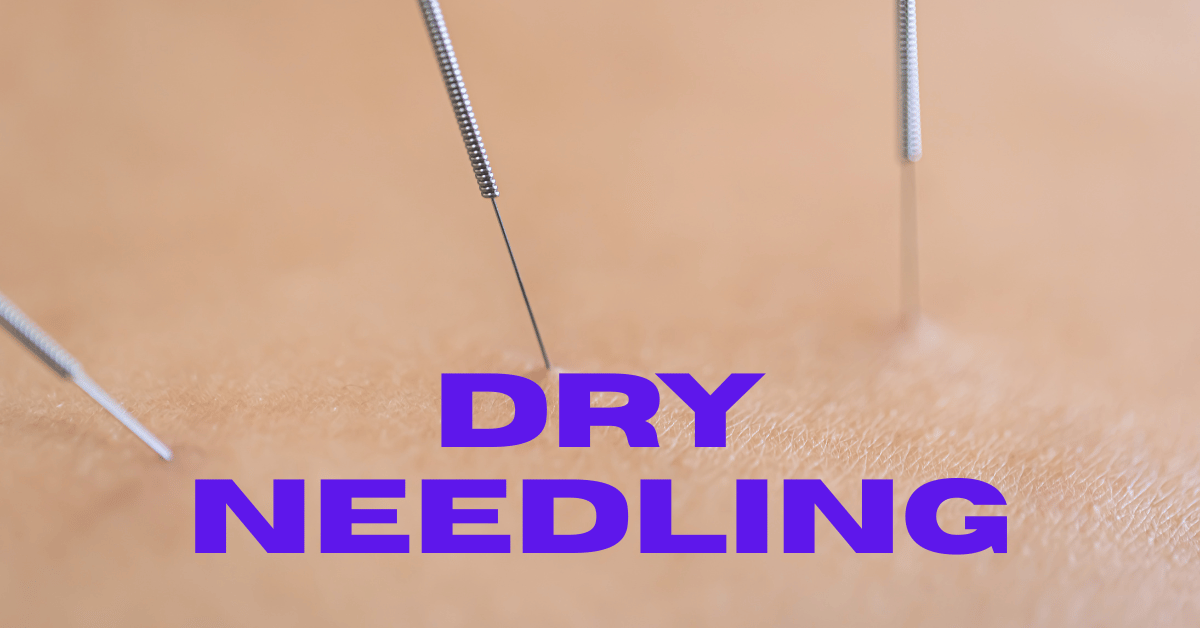
What Is Dry Needling?
Dry Needling (DN) is a modern, evidence-based therapeutic technique used by trained musculoskeletal specialists to treat myofascial trigger points — hyperirritable spots within a taut band of skeletal muscle. The technique involves inserting a thin, sterile filament needle directly into the trigger point — without injecting any substance (hence 'dry' needling).
Despite using similar needles, Dry Needling is fundamentally different from Traditional Chinese Acupuncture. Acupuncture is based on Traditional Chinese Medicine meridian theory. Dry Needling is based entirely on Western anatomy, neuroscience, and musculoskeletal assessment — targeting specific muscle dysfunctions identified through clinical examination.
How Does Dry Needling Work?
Trigger points are areas of contracted, ischemic (blood-starved) muscle tissue that generate pain locally and refer pain to distant areas. They develop from injury, overuse, poor posture, or chronic stress on the muscle.
When a needle is inserted into an active trigger point, a brief local twitch response occurs — the contracted muscle fibers reflexively fire and then release, blood flow to the ischemic tissue is restored, neurochemicals are dispersed reducing pain signaling, the muscle returns to its normal resting length, and referred pain patterns from the trigger point resolve.
Conditions Treated With Dry Needling
- Chronic neck and shoulder pain — trapezius and levator scapulae trigger points
- Tension headaches from suboccipital trigger points
- Lower back pain and lumbar muscle spasm
- Sciatica from piriformis trigger points
- Knee pain from quadriceps and hamstring trigger points
- Hip pain from gluteal and TFL trigger points
- Shoulder pain — rotator cuff trigger points
- Tennis elbow and golfer's elbow
- Plantar fasciitis and heel pain
- Sports injuries with chronic muscle dysfunction
What to Expect During Your Session
Your session begins with a full musculoskeletal assessment to identify active trigger points. Majadul Islam will map out the primary and satellite trigger points contributing to your pain pattern.
Needles are inserted with precision into the identified trigger points. You may feel a brief deep ache or muscle twitch when the needle contacts the trigger point — this local twitch response is a positive sign that the correct spot has been identified. After the twitch, the muscle typically relaxes immediately.
Most patients experience significant relief during or immediately after the session. Mild muscle soreness for 24 to 48 hours is normal — similar to post-exercise soreness — and indicates active tissue healing. Sessions typically last 30 to 45 minutes.
Why Choose Osteopath Center Rangpur?
- Clinically precise — Dry Needling applied based on full osteopathic and musculoskeletal assessment
- Internationally trained specialist — Majadul Islam brings advanced dry needling skills from Australia and India
- 100% drug-free — no medicine injected, no pharmaceuticals, no side effects
- No surgery — ever
- Integrated treatment — Dry Needling combined with osteopathy and chiropractic care
- 500+ patients successfully treated across Bangladesh
Frequently Asked Questions
Is Dry Needling the same as acupuncture?
No. While both use fine needles, Dry Needling is based on Western anatomy and neuroscience — targeting specific trigger points identified through clinical examination. Acupuncture is based on Traditional Chinese Medicine meridian theory.
Is it painful?
You may feel a brief, deep ache when the needle contacts the trigger point. This is followed by muscle relaxation and relief. The sensation is temporary and indicates the technique is working.
Is it safe?
Yes. Dry Needling using sterile, single-use needles is very safe when performed by a trained specialist. All needles are disposed of after single use.
How many sessions will I need?
Many patients see significant improvement after 2 to 3 sessions. Chronic trigger point conditions may require 4 to 8 sessions as part of a comprehensive treatment plan.

 Emergency No. : +880 1792669888