
 +880 1792-669888
  osteopathchiropracticrp@gmail.com
 HOUSE NO 26 ROAD, 04 Shyamoli Ln, Rangpur 5400
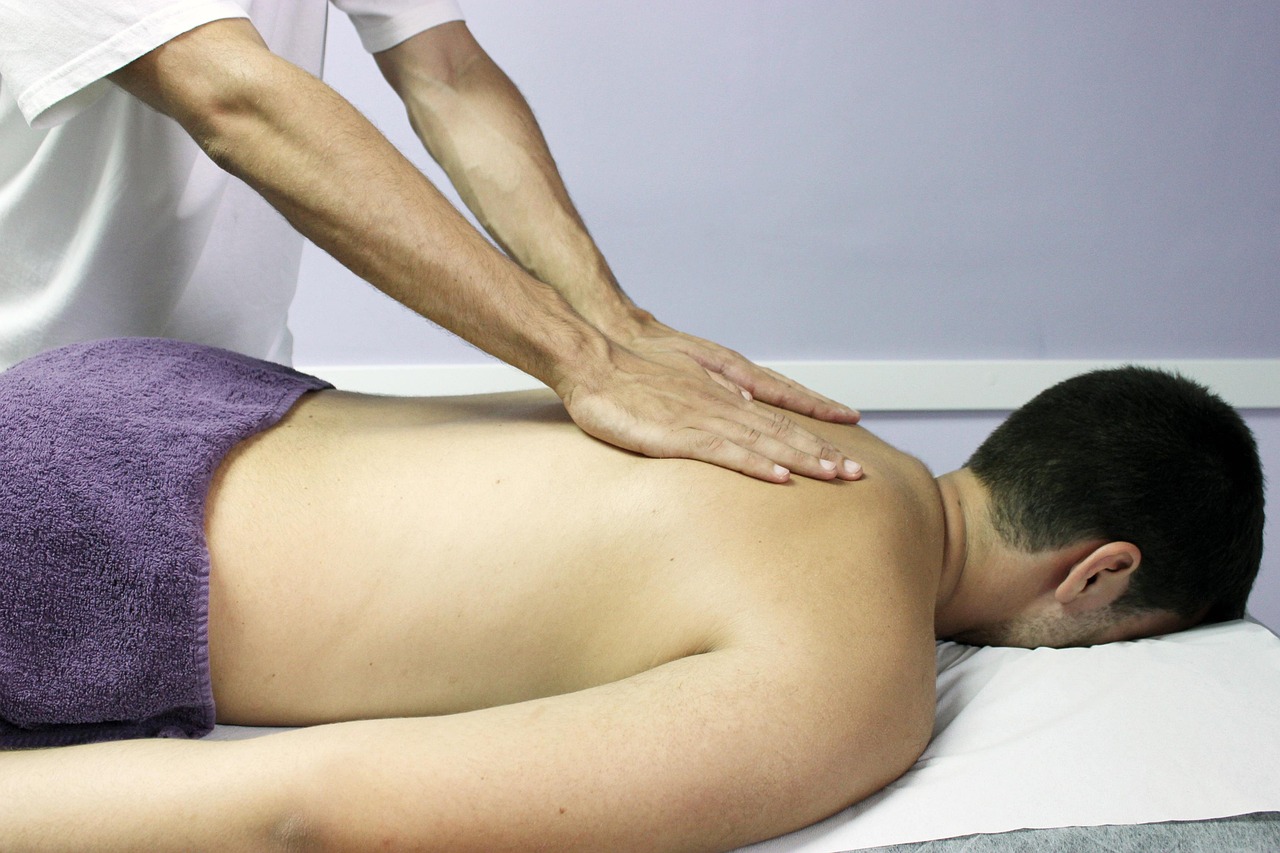
What Is Visceral Osteopathy?
Visceral Osteopathy is a sophisticated branch of osteopathic practice that addresses the mobility and motility of the internal organs (viscera) and their connective tissue attachments. Every internal organ — stomach, liver, intestines, kidneys, bladder, uterus — has its own natural motion within the body cavity. When this motion becomes restricted due to scar tissue, inflammation, poor posture, or past surgery, the organ can pull on surrounding structures and create pain patterns that appear in completely different parts of the body.
Visceral Osteopathy uses gentle, sustained pressure on specific abdominal and thoracic areas to identify and release these restrictions — restoring natural organ mobility and relieving the musculoskeletal tension they create.
How Does Visceral Osteopathy Work?
The organs are connected to the spine, pelvis, and musculoskeletal system through layers of connective tissue called fascia and mesentery. Restrictions in these connections can pull on the spine and pelvis creating chronic back or pelvic pain, compress the diaphragm affecting breathing and thoracic mobility, restrict the psoas muscle contributing to hip and lumbar pain, and create referred pain patterns that mimic joint or muscle conditions.
Visceral Osteopathy uses gentle, sustained pressure on specific abdominal and thoracic areas to identify and release these restrictions.
Conditions Treated With Visceral Osteopathy
- Chronic lower back pain with a digestive or abdominal component
- Pelvic pain and sacroiliac dysfunction
- Hip pain related to psoas or organ restriction
- Post-surgical abdominal adhesions and scar tissue
- Digestive complaints — bloating, constipation, irritable bowel
- Acid reflux and hiatal hernia-related discomfort
- Menstrual pain and pelvic floor dysfunction
- Bladder dysfunction and urinary urgency
- Diaphragm restriction affecting breathing
- Chronic pain that has not responded to standard musculoskeletal treatment
What to Expect During Your Session
Your session begins with a detailed history focusing on your musculoskeletal symptoms alongside any digestive, respiratory, or pelvic symptoms. Majadul Islam will perform a visceral assessment — using trained palpation to sense organ mobility and identify areas of restriction.
Treatment involves very gentle, sustained pressure applied to specific abdominal or thoracic areas. There is no forceful movement. Most patients find visceral treatment deeply relaxing, and some notice immediate improvements in both their digestive comfort and musculoskeletal pain. Sessions typically last 45 to 60 minutes.
Why Choose Osteopath Center Rangpur?
- Advanced specialist training — Majadul Islam's international qualifications include visceral osteopathic assessment skills
- Whole-person approach — visceral and structural osteopathy combined in one treatment
- 100% drug-free — no medicine, no laxatives, no side effects
- No surgery — ever
- Unique in Bangladesh — very few practitioners offer true visceral osteopathic assessment
- 500+ patients treated across Bangladesh
Frequently Asked Questions
Is Visceral Osteopathy safe?
Yes. Visceral techniques use very gentle pressure and are safe for most patients, including those who have had abdominal surgery. A full health history is taken before any visceral treatment.
How is this different from abdominal massage?
Visceral Osteopathy is a diagnostic and therapeutic discipline — not massage. It requires advanced training to assess organ mobility and identify specific restrictions. The technique is precise, gentle, and targeted.

 Emergency No. : +880 1792669888